Cahaba Water Co.
Your coffee tastes like your water.
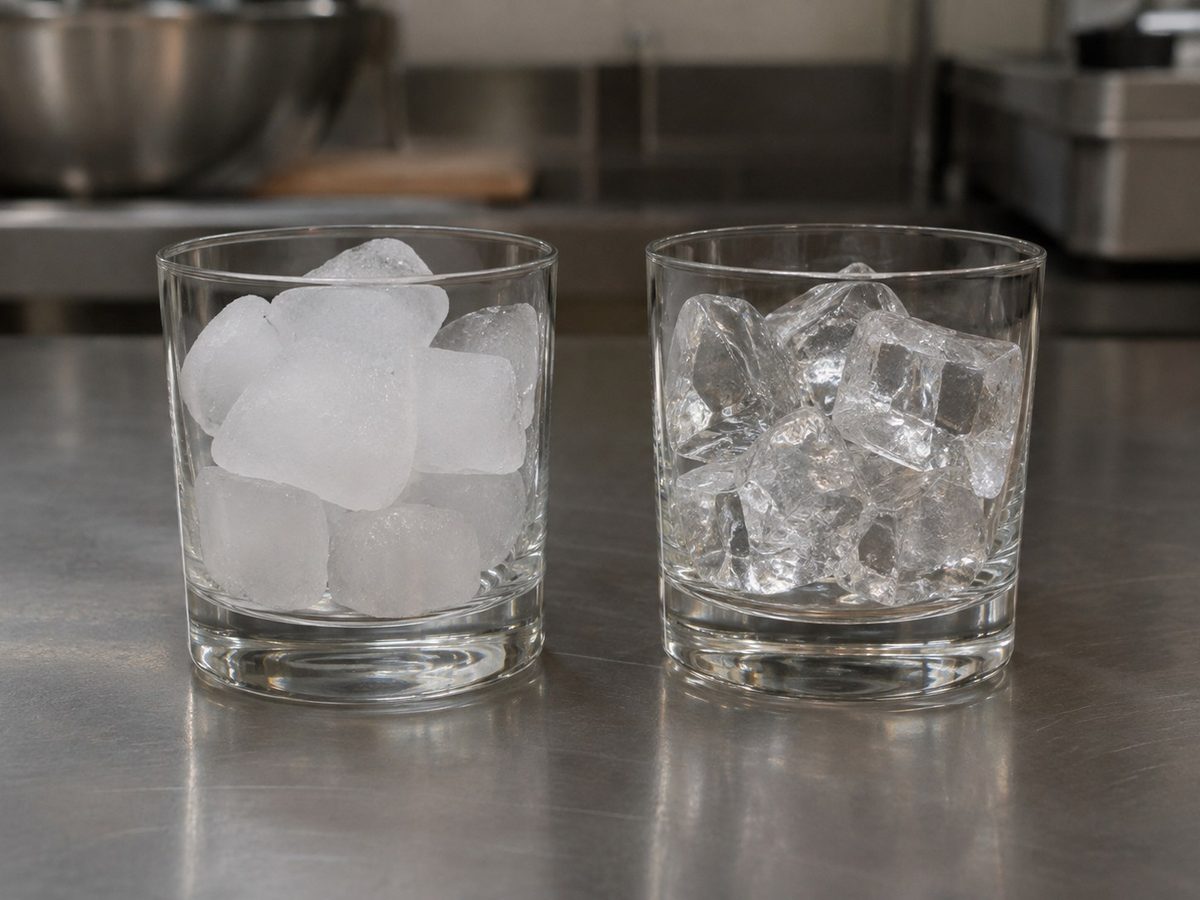
Coffee, tea, soda and ice are mostly water, and chlorine is what usually shows up in the cup. That is the problem we can fix in a restaurant. Everything after it — scale control, softening, treatment on a specific appliance — follows from what we measure in your building.
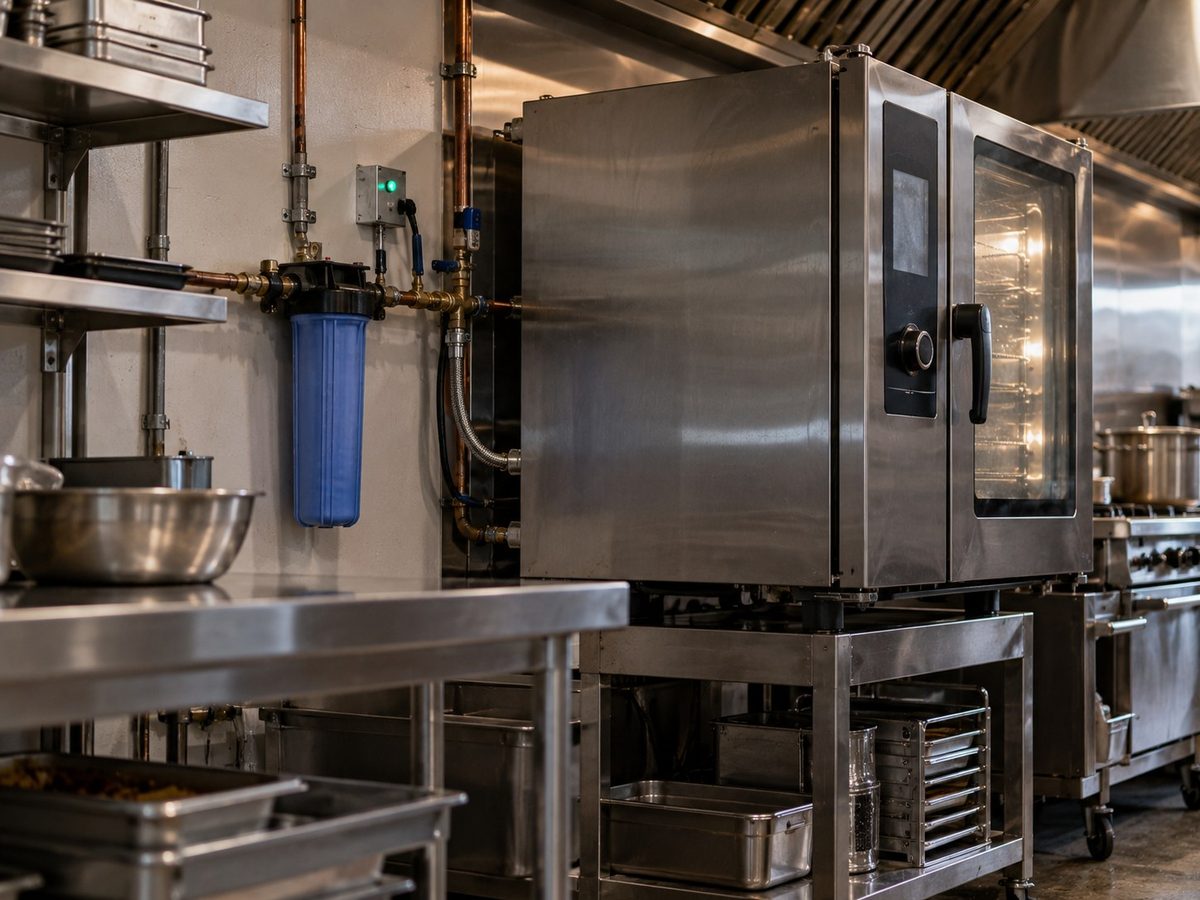
Scale is the usual pitch. Here it depends on your address.
Why the answer here starts with a measurement instead of an assumption.
Most restaurant water pitches start with scale — limescale in the ice machine, the dish machine, the combi oven. In a hard-water city that is a real and expensive problem.
Central Alabama Water (formerly Birmingham Water Works) publishes total hardness of 38 to 224 mg/L across its system — roughly 2.2 to 13.1 grains per gallon. That range covers most of the standard classification: slightly hard at the bottom, and above the 10.5 grain line into very hard at the top. Where a given address falls depends on which source and which part of the system feeds it, which is why a published range is a reason to test rather than an answer on its own. Figures are from the 2026 Annual Water Quality Report (2025 monitoring data).
So a softener is not automatic for a kitchen here. We test the water at your building first. If the number is low, we will tell you, and scale control comes off the quote. If the hardness and the appliance justify it, we size the system for the load you actually run.
One thing holds at every address on the system: taste. Chlorine is in the water because it is supposed to be, and it carries straight through into anything you brew, pour or freeze. That part we can fix on day one. Scale control is the part we quote once we have your number.
Kitchens on Trussville, Pelham or Alabaster water are a different set of published figures again, and the answer moves with them. Establishing which utility serves the address is the first thing we do.
Your measured hardness, taken at the building, before anyone recommends softening
Which appliances in your kitchen justify treatment, and which are fine as they are
A straight answer when the reading comes back low enough that softening earns nothing
No safety claim: treatment changes taste and odor, and your water already meets every standard